



Standing on the visitor side of the glass, it’s easy to assume every animal in a zoo is basically a giant, exotic pet. Otters look playful. Penguins look goofy and harmless. Red pandas look like they walked straight out of a plush toy aisle.
Ask the people who actually clean their enclosures, feed them, and get chased by them daily, and you’ll get a very different story. Some of the internet’s cutest zoo animals have earned a reputation among keepers for being genuinely difficult — not because they’re bad animals, but because their natural instincts don’t exactly translate to “easygoing.”
Here’s a look at 20 species with surprisingly high-maintenance reputations, along with the actual biological reasons behind the chaos.
Animals With a Messy Reputation (Literally)
1. Red Pandas
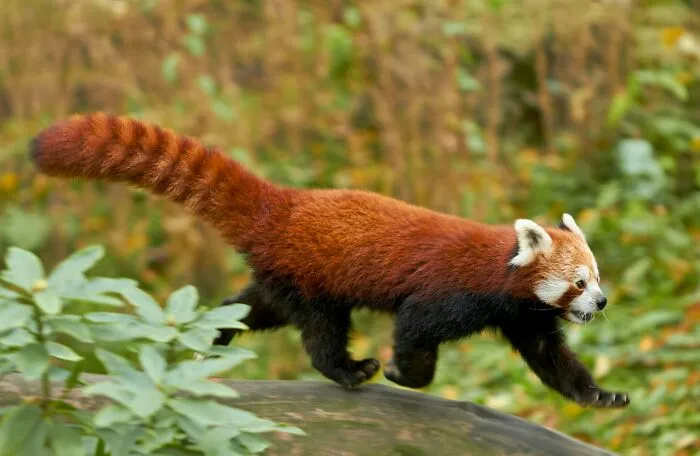
Despite their small size, red pandas have a fast digestive system built around a bamboo-heavy diet, meaning food passes through them quickly and often. Keepers who work with red pandas frequently mention cleaning enclosures multiple times a day just to keep up.
2. River Otters
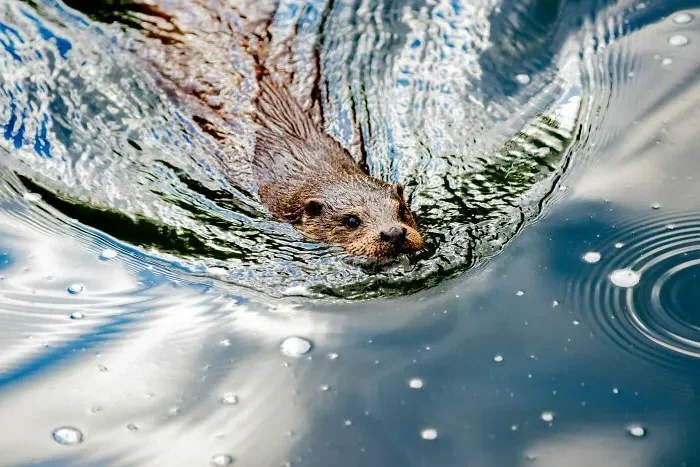
Otters mark territory using scent glands near their tail, and their diet — heavy in raw fish — combined with a fast metabolism creates a strong, distinctive smell that keepers say clings to clothing long after a shift ends.
3. Penguins
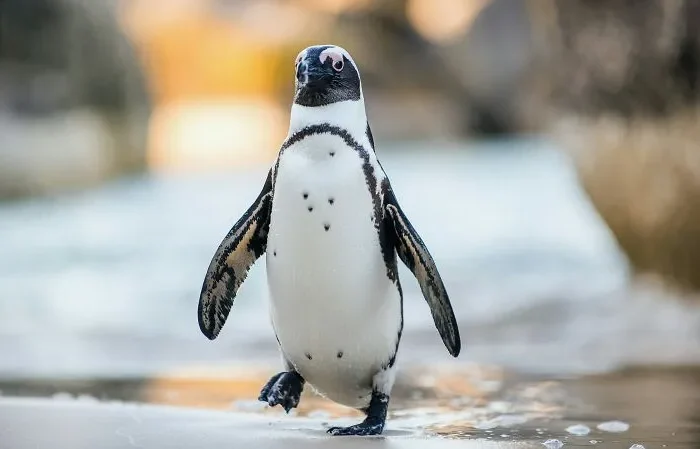
Penguin droppings are famously projectile, a side effect of the pressure buildup from their fish-heavy diet. Combine that with a highly social, sometimes territorial temperament, and keepers often end up as both janitors and referees.
4. Turkey Vultures
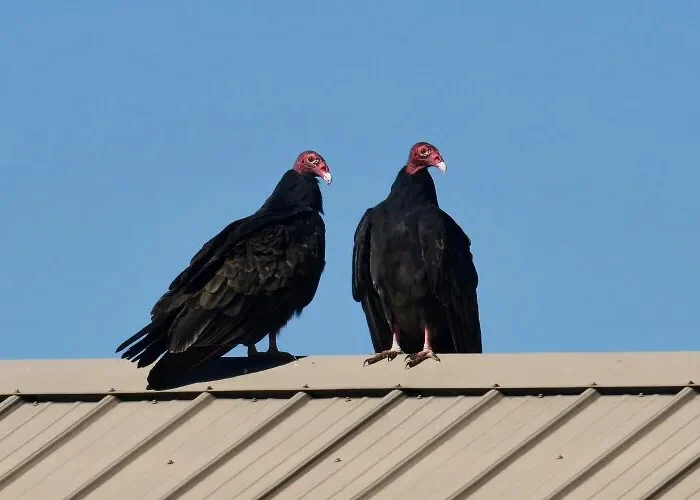
As scavengers built to eat carrion, turkey vultures have a defense mechanism where they vomit on perceived threats — a smell that’s exactly as unpleasant as their diet suggests.
Animals That Are Surprisingly Aggressive
5. Prairie Dogs
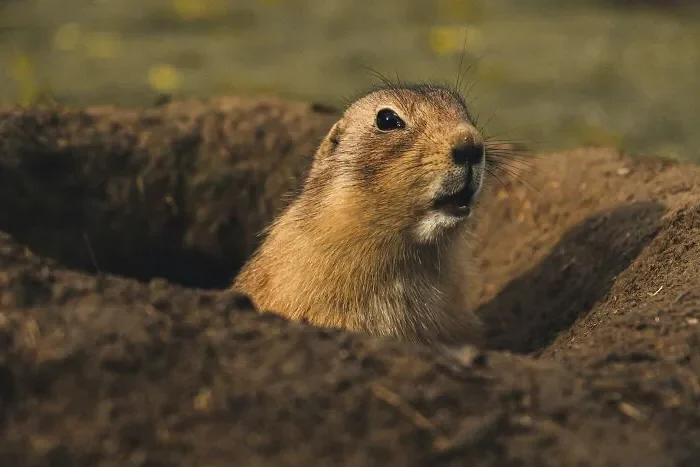
Highly territorial by nature, prairie dogs build complex tunnel systems and will defend them aggressively, sometimes lunging at anyone who enters their space unexpectedly.
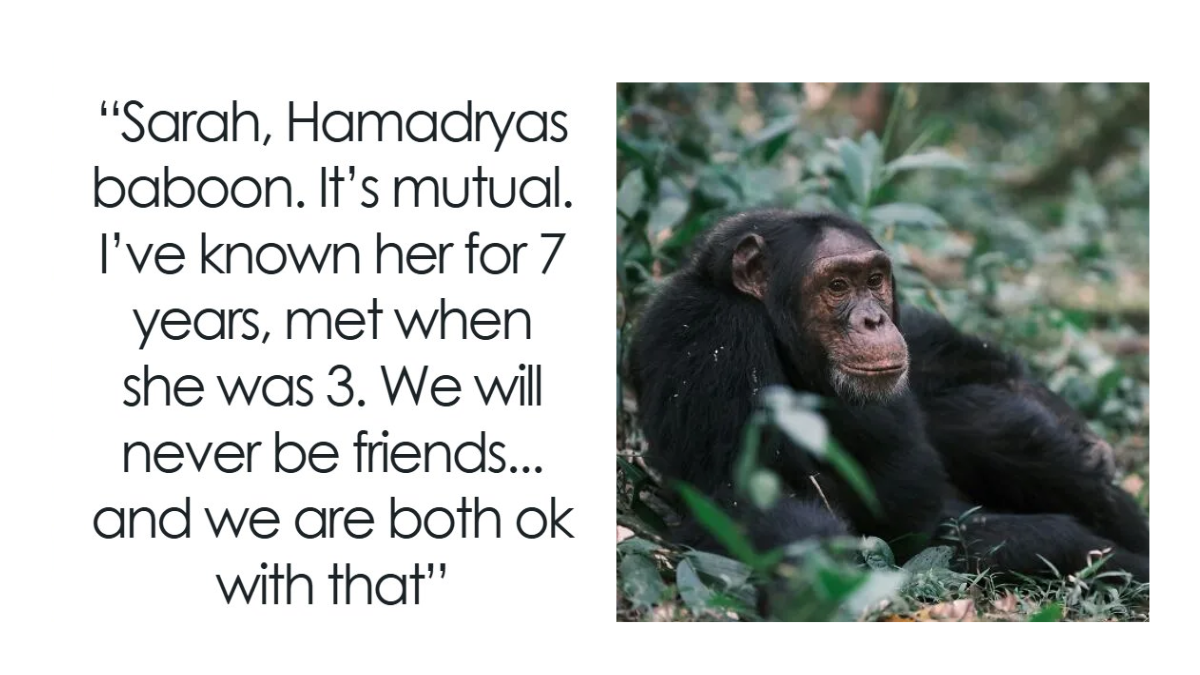
6. Baboons
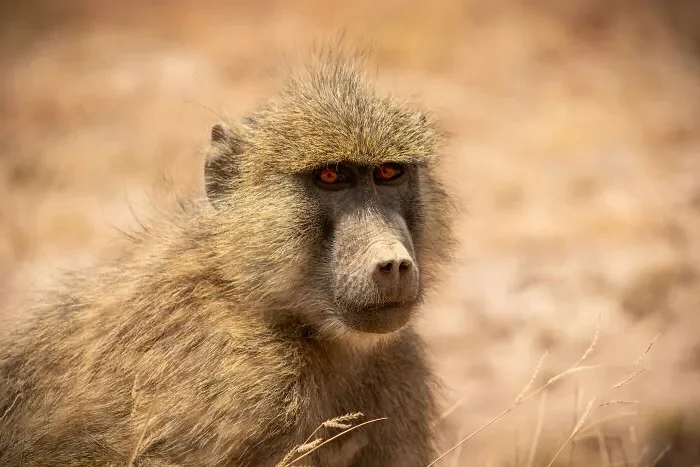
Baboons are intelligent, strong, and live in complex social hierarchies in the wild — traits that, in captivity, can translate into destructive behavior and low tolerance for unfamiliar people entering their space.
7. Chimpanzees
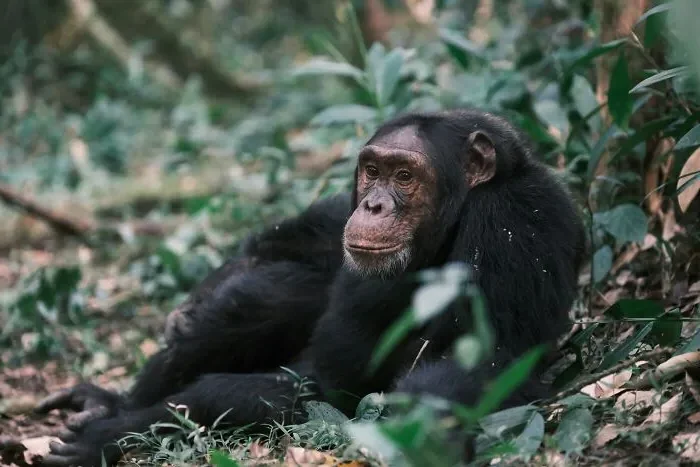
As one of humans’ closest genetic relatives, chimps are remarkably intelligent, which also makes them unpredictable. Their strength (several times that of an adult human) combined with complex social dynamics makes them one of the more demanding primates to care for safely.
8. Emus
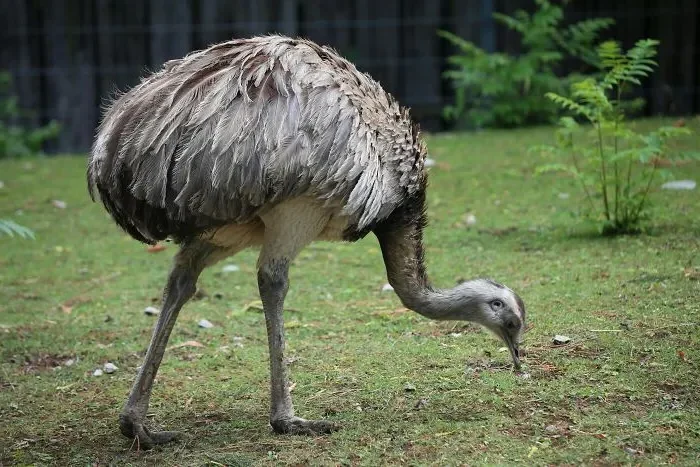
Emus are large, curious, and can be surprisingly forceful with their beaks. During breeding season especially, emus can become notably more assertive toward keepers.
9. Geese
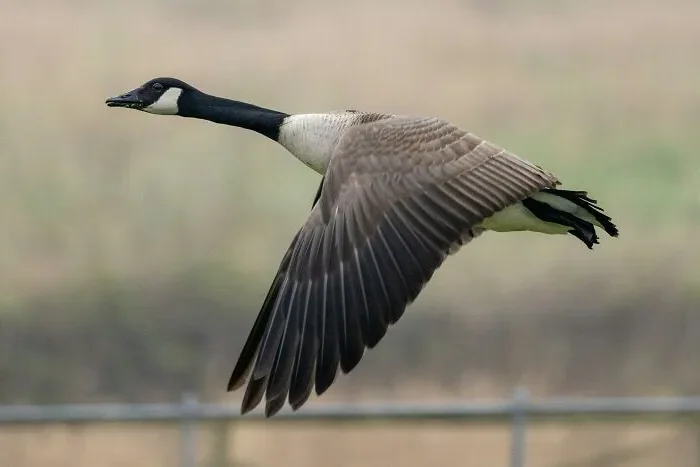
Wild and semi-wild geese are famously territorial, especially during nesting season, and will charge, hiss, and bite anyone who gets too close to a nest or their young.
Animals That Are Simply Standoffish
10. Alpacas
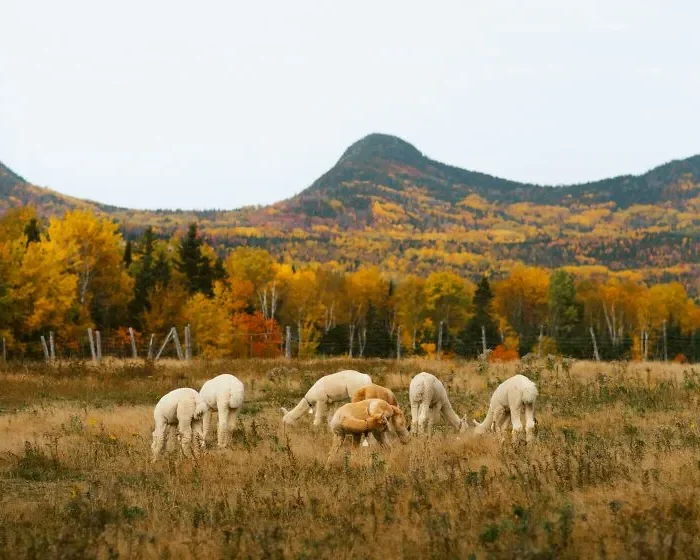
Alpacas are prey animals by nature, which makes them instinctively wary of being touched or handled, even by people who feed them daily. Their aloofness isn’t bad behavior — it’s a deeply ingrained survival instinct.
11. Zebras
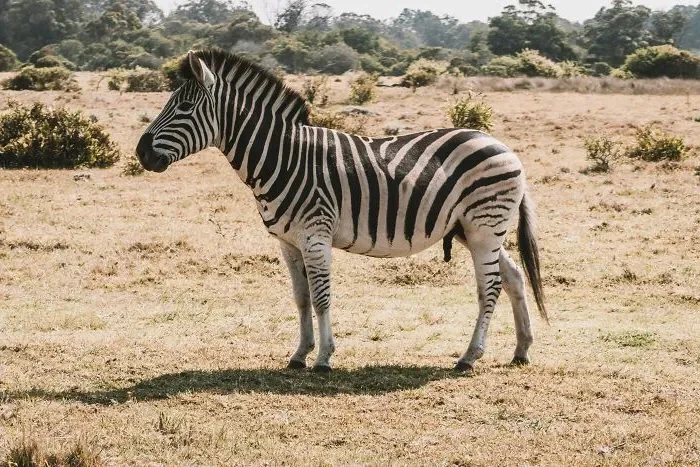
Zebras have a reputation among animal handlers as one of the least domesticable equine relatives, largely because, unlike horses, they haven’t been selectively bred for thousands of years to tolerate close human handling.
12. Llamas
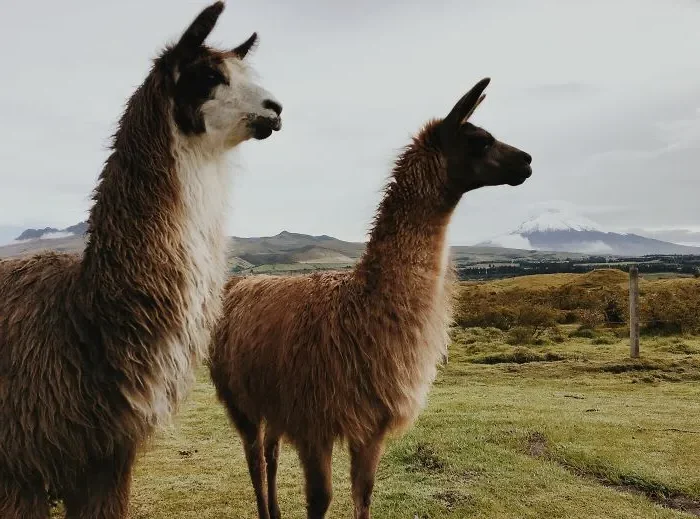
Llamas can be standoffish and are known for spitting when they feel threatened or annoyed — a defense behavior rather than a random quirk.
Animals That Are Just Plain Stubborn
13. Skunks
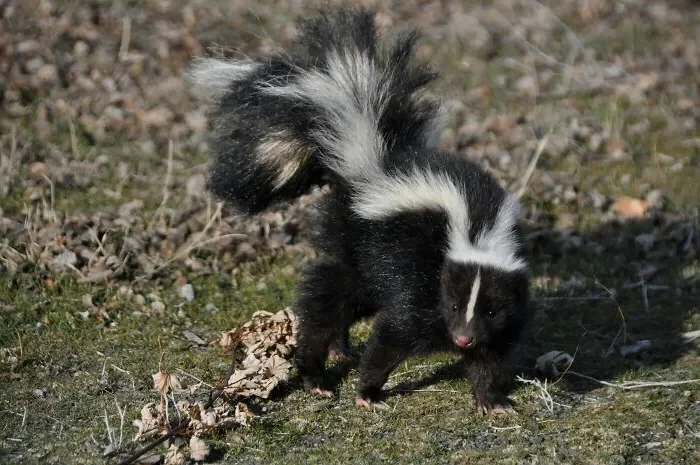
Even small or juvenile skunks can spray when startled, and their instinct to do so doesn’t fade with familiarity the way it might with other animals.
14. Wombats
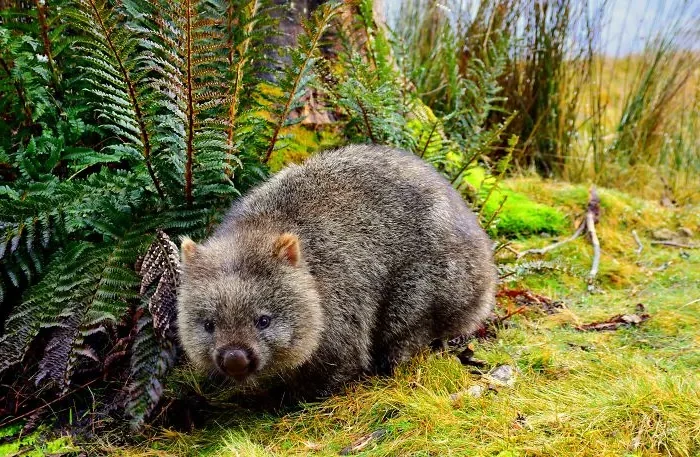
Wombats have surprisingly strong hind legs and a thick, reinforced rear used to block predators in burrows — a defense mechanism that can double as a genuinely painful hazard for anyone standing too close.
15. Hamadryas Baboons
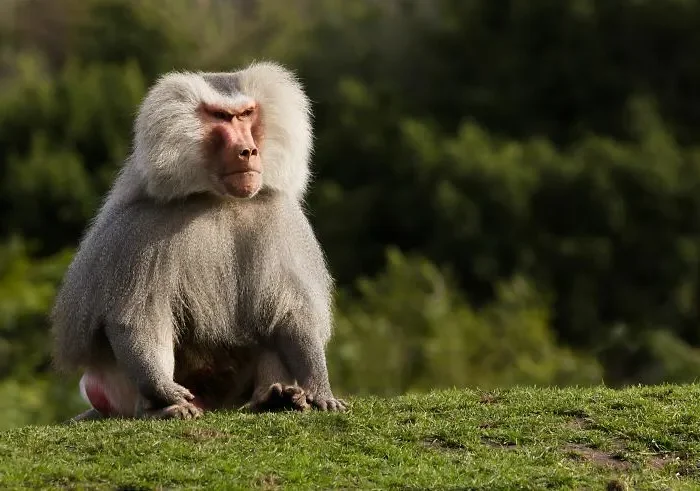
Beyond general baboon behavior, hamadryas baboons specifically form strict social hierarchies, and unfamiliar humans entering their space can be treated the same as a rival intruder would be.
16. Bullfrogs
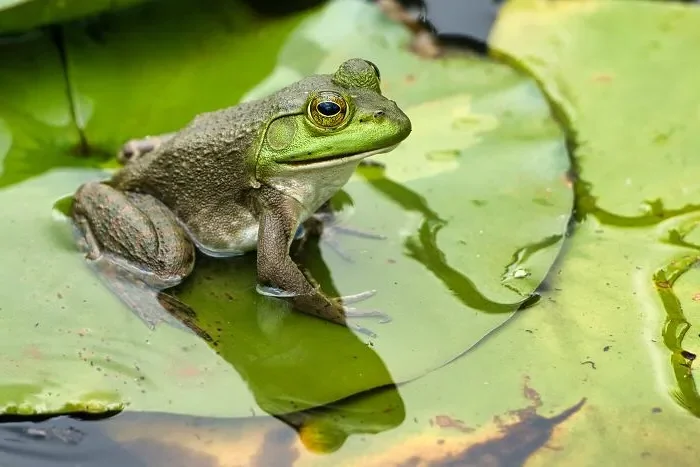
Large bullfrogs have a strong feeding reflex and will lunge at anything that moves near their enclosure during feeding, regardless of whether it’s food or a hand holding a cleaning brush.
Big Animals With Bigger Personalities
17. Hippos
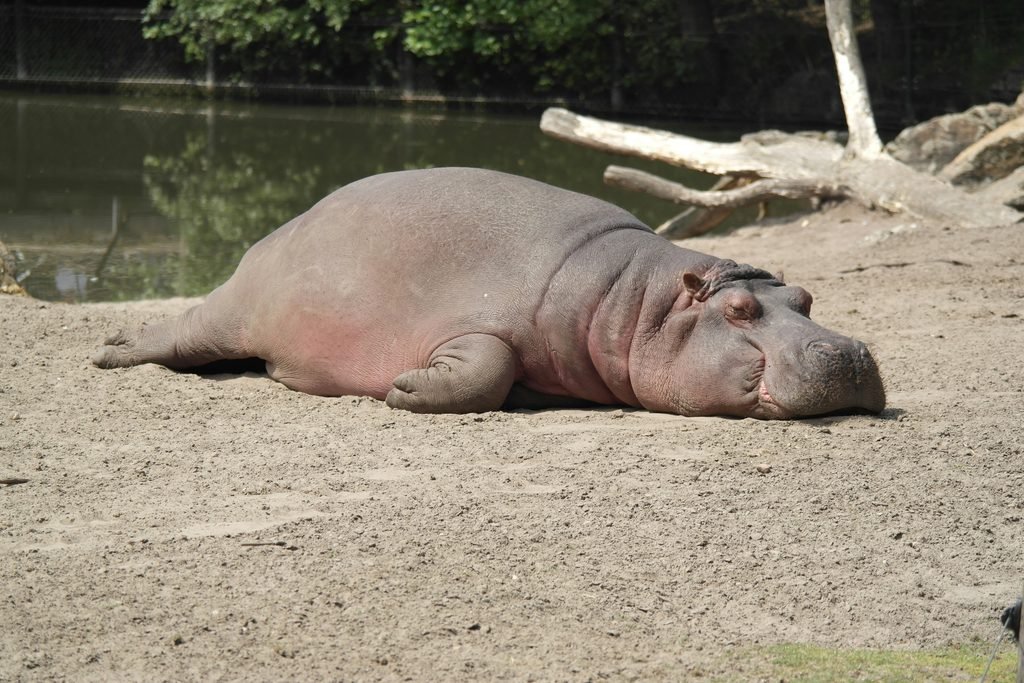
Despite their reputation for being slow and docile-looking, hippos are among the most dangerous animals to work around in captivity, largely due to their unpredictable temperament and sheer physical power.
18. Elephants
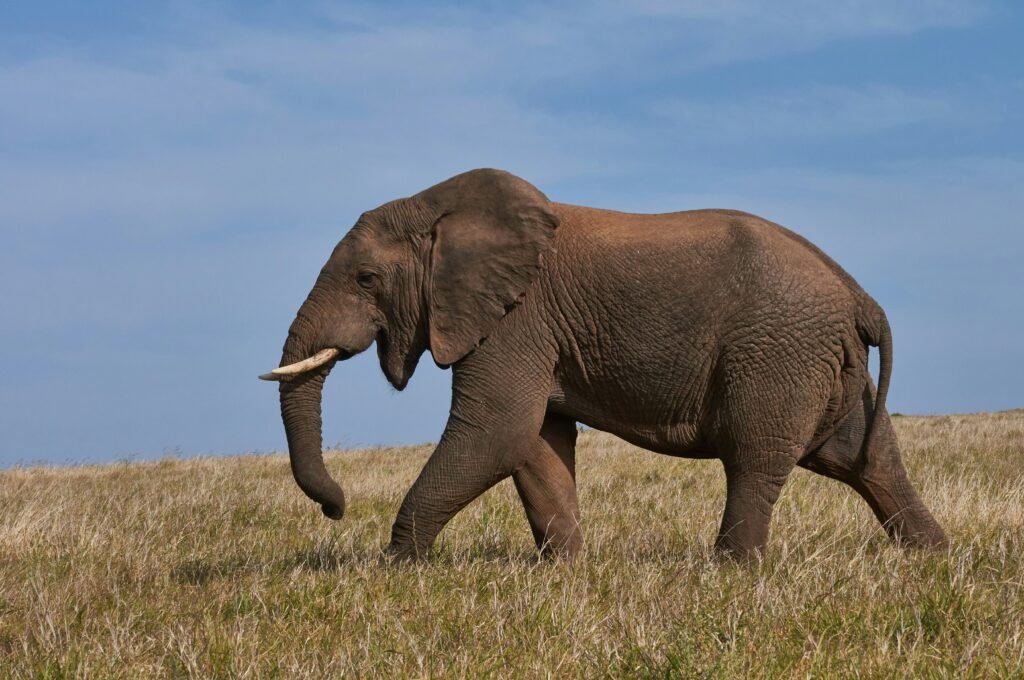
Elephants are highly intelligent and social, which means inadequate space or limited social interaction — a real risk in smaller facilities — can lead to stress-related behaviors that make daily care more difficult.
19. Camels
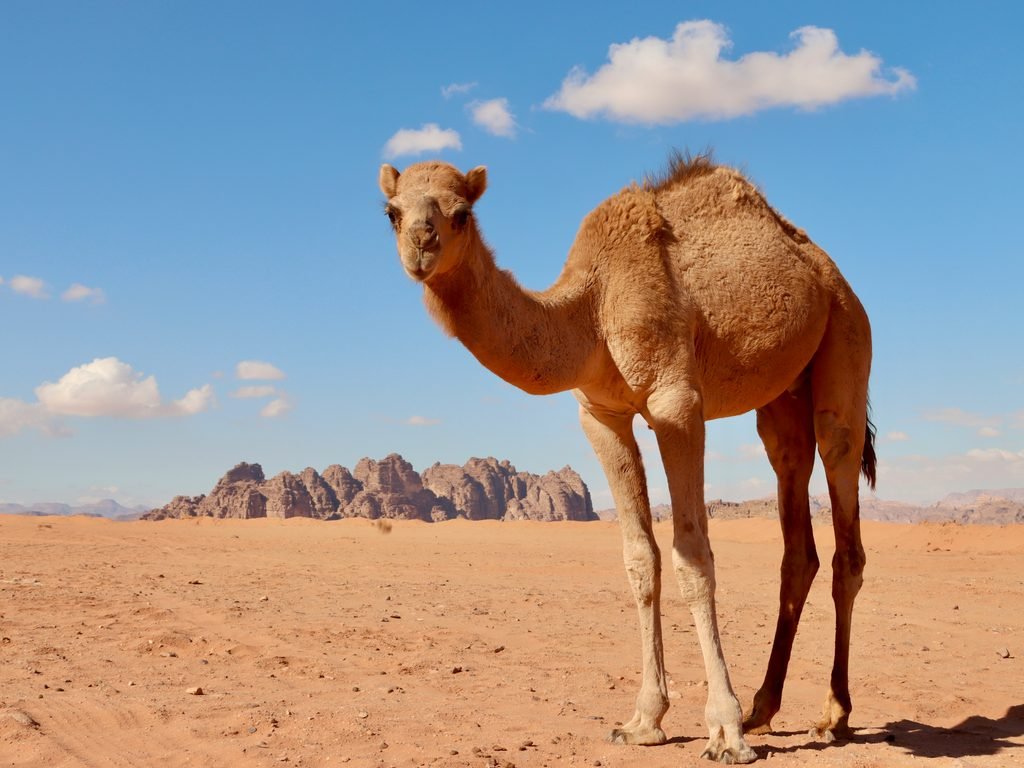
Camels are known to spit when irritated and can be stubborn during routine handling, particularly if they don’t trust the person working with them.
20. Black Angus Cattle
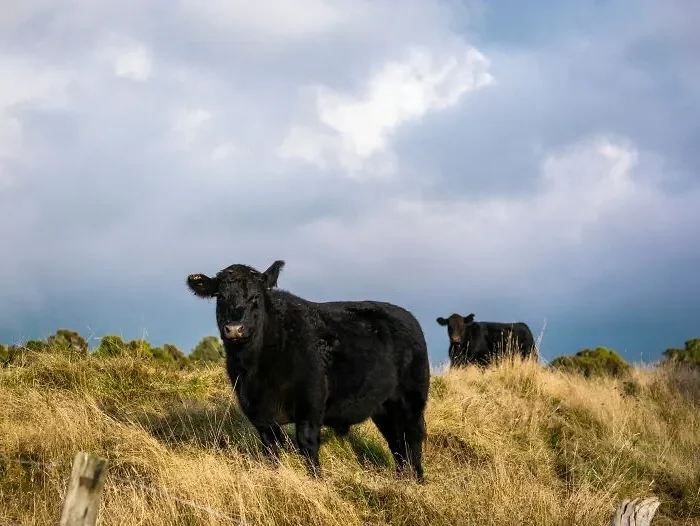
Compared to gentler dairy breeds, black angus cattle bred primarily for beef production tend to be more independent and less accustomed to close human interaction, making routine handling noticeably more challenging.
Why Do “Cute” Animals Cause So Many Problems?
It comes down to a simple mismatch: cuteness is a human perception, not a behavioral trait. An animal’s temperament is shaped by instincts built for survival in the wild — territory defense, predator response, social hierarchy — none of which care how a species looks to visitors on the other side of the glass.
A few patterns show up again and again among “difficult” zoo animals:
- Prey animals (alpacas, llamas, zebras) tend to be defensively standoffish rather than aggressive.
- Predators and scavengers (chimps, baboons, vultures) often show more unpredictable or defensive aggression.
- Highly social species (elephants, penguins, primates) can develop behavioral issues if their social or spatial needs aren’t fully met.
- Fast metabolisms (red pandas, otters) simply mean more mess, more often — a logistics problem more than a temperament one.
The Toll It Takes on the People Who Do This Work
It’s worth remembering that the people managing all of this aren’t just dealing with mess and the occasional bite — it’s a genuinely demanding job. A 2024 study published in Frontiers in Psychiatry surveyed nearly 1,700 animal care professionals and found they report higher levels of anxiety, depression, and burnout, along with lower professional fulfillment, compared to other zoo staff. Heavy workloads and the emotional weight of caring for and sometimes losing animals they’ve worked with for years both play a role.
So the next time a keeper jokes about “hating” an animal they’ve clearly cared for over many years, it’s worth remembering that’s usually affection wearing a complaint’s clothing.
Final Thoughts
The animals that look the most harmless from behind the glass are often the ones keeping zookeepers on their toes the most. None of it makes these animals any less worth visiting — if anything, it makes their keepers’ patience a little more impressive. Next time you’re at the zoo watching an otter do something adorable, just know that somewhere nearby, a keeper is probably doing laundry because of it.
Which animal on this list surprised you the most? Let us know in the comments.
